3 Mountain Bike Upgrades You'll Notice on Your Next Ride
- Good Time Ride Co.

- 7 days ago
- 5 min read

If you've been mountain biking for a little while, you might’ve caught yourself wondering whether your bike is holding you back. We’ve been there too!
Maybe your riding buddy just bought a shiny new full-suspension bike. Maybe you fell down a rabbit hole eyeing up components online (and then looked at the total of your cart and wondered which organ you should sell first). Or maybe you've found yourself thinking, "If I just upgraded this one thing, I'd finally feel confident out there."
While we firmly believe that developing your skills is the best investment most riders can make, there are a few bike upgrades that make riding more enjoyable right away.
Here are three upgrades we recommend before spending thousands on a new bike.
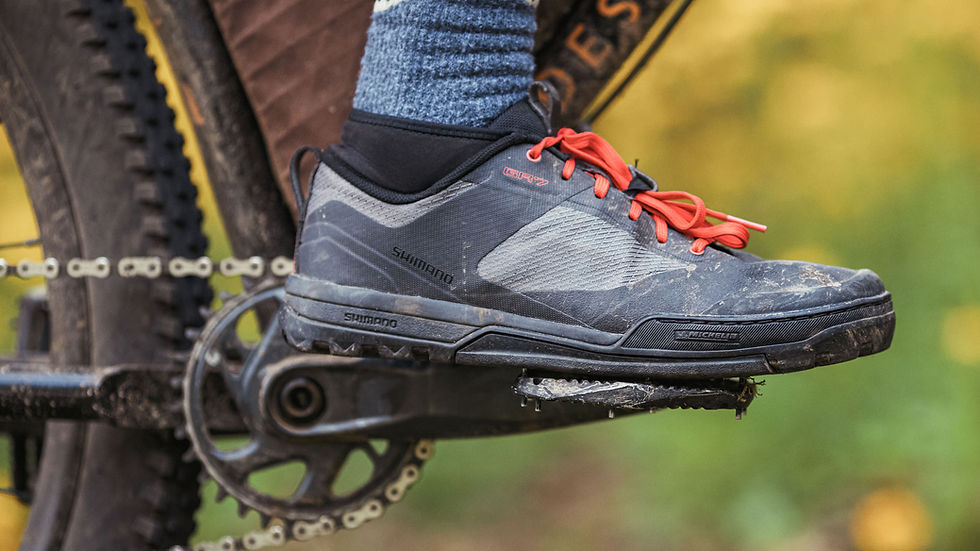
1. Quality Flat Pedals and Mountain Bike Shoes
Maybe we are pushing it a little by counting these as one upgrade, but they really do work together! We’d give pedals top priority here and shoes second billing if you have to make a choice though. If you are sticking with a shoe that you already have, please choose something with a very stiff sole.
Many entry-level bikes come with basic plastic pedals, and lots of new riders simply wear whatever running shoes they already own. There's nothing wrong at all with starting there, but once you've experienced proper flat pedals paired with sticky mountain bike shoes, it will be very hard to go back.
Good pedals provide a larger platform and replaceable pins that help keep your feet planted. Mountain bike shoes use a grippy rubber compound and a stiffer sole that works with those pedals instead of against them.
With this pedal and shoe combination, our feet stay where we want them. You're not constantly repositioning them after every root or bump, and you feel much more connected to the bike. You’ll also ride with more confidence because you're no longer wondering if your foot is going to bounce off the pedal at the worst possible moment!
Good for: Control, confidence, stability, and comfort.

2. A Dropper Post
If your bike doesn't already have one, installing a dropper post is a recommendation we make to nearly every single rider.
A dropper post lets you lower your saddle with the push of a lever while you're riding. That might sound like a small thing, but it completely changes how your bike feels on descents, corners, and technical terrain.
With your saddle out of the way, it's much easier to move your body around the bike to get into a proper, active ready position. You can get lower on steep trails, lean your bike and shift your weight more naturally through corners, and let the bike move underneath you instead of feeling like it's trying to throw you over the handlebars.
“When I was riding a bike without a dropper post I felt good some of the time, but other times I felt like I was on the completely wrong type of or size of bike when I was going downhill or trying to navigate a turn. This was an A++ investment that I am so glad I made!” — Jen S.
This is one of those upgrades that becomes second nature and can give you a real confidence boost. Once you get used to having a dropper post, you'll probably use it dozens of times during a single ride. (Bonus: it’s also extremely handy when you need to stop suddenly because lowering your saddle makes it a lot easier to put a foot on the ground without getting caught up in your bike!)
The only catch is that installing a dropper post doesn't automatically teach you when to use it. We regularly coach people who have had a dropper for years but only remember to lower it halfway through a descent. Learning when to use your dropper—and what your body should be doing while it's down (and up)—is just as important as having one in the first place.
Good for: Confidence, descending, cornering, and technical trails.

3. Better Grips
The connection your hands have with your bike is very important! If your grips are too hard, too worn out, too skinny, or even just the cheapest option that came from the factory, every bump on the trail gets transferred straight into your hands, wrists, elbows, shoulders, and so on up the chain.
A quality set of grips can reduce hand fatigue and improve comfort, and will help prevent numb fingers and palms on longer rides. Even if you aren’t experiencing any disastrous pain, it can even be something as simple as “this grip just doesn’t feel comfortable to me”, which is also a very good reason to swap for something that feels better!
They're also relatively inexpensive, easy to install, and available in different diameters to suit different hand sizes. Riders with smaller hands often find that slightly thinner grips make it easier to maintain a relaxed hold on the handlebars.
Comfort isn’t all that new grips can give you though. They come in many different colours so this is a fun upgrade that can really add some style and personality to your bike as well!
Good for: Comfort, grip, reducing hand fatigue, and making your bike look super cool.
If you're ready to make one (or all three!) of these upgrades, consider supporting one of Edmonton's local bike shops. They'll help you choose components that work with your bike, and many can install them while you're there. We've put together a guide to Edmonton’s bike shops to help you find one near you!
One More Thought Before You Start Shopping
Mountain biking can be a gear-heavy sport. People can get drawn into buying flashy branded jerseys, $1,000 brakes, and Red Bull Rampage ready suspension before they even learn where their body should be on their bike when descending.
It's fun to browse components, compare bikes, and imagine how much faster or smoother your next ride might feel if you “go carbon” or start dressing for rides like you’re sponsored by POC.
Your skills are still the best upgrade you can make. Invest in yourself! Your bike and your components are only going to perform as well as the skills you have, so push yourself to learn more so you can ride better.
Sticky shoes can keep your feet planted, but they won't improve your cornering. A dropper post can help you move around the bike, but it can't teach you when to lower your saddle. Better grips can make your bike more comfortable, but they won't teach you how to ride with relaxed hands and elbows.
When you combine these upgrades we’ve suggested with good technique, they really will help you ride more confidently!
If you're looking to become a stronger rider, we'd encourage you to pair smart equipment choices and upgrades with quality coaching and consistent rides with a supportive community. You'll enjoy the bike you already have even more, ride with greater confidence, and probably discover that you're capable of riding trails that once felt completely out of reach.


